Payal Kapadia may be best known for her second feature film, All We Imagine as Light, which was awarded with the 2024 Grand Prix in Cannes. Kapadia is no stranger to the French Riviera. Her first feature film also premiered in Cannes in 2021 at the Director’s Fortnight, and took home the Oeuil d’or (Golden Eye) for Best Documentary.
A Night of Knowing Nothing is a docu-fiction film about the political state of India, discrimination, and the importance of resistance grounded in a fictional love story. In 2015, student protests erupted at the Film and Television Institute of India (FTII) as a result of the appointment of a new university chairman. A member of the ruling conservative party BJP under the fascist government of Prime Minister Narendra Modi. The protest lasted 139 days and spread across India.
Kapadia was personally very involved in the movement as a FTII student herself. Together with her partner and director of photography Ranabir Das, she began to film life on campus in 2016 following the events. Bearing witness to happenings, big and small.
This body of work, together with shared footage from colleagues came to constitute an archive from which this hybrid film was made. An amalgamation of video, Super8, iPhone, CCTV, archival material, and news clippings create the visual framework. From this rich archive, five years in the making, Kapadia’s narration seems to be inspired by Akerman’s News from Home epistolary structure.
Under the fictious premise of a student’s unsent letters being found in a dormitory, Kapadia grounds this highly political film in a failed love story. Proving that love in India is also political. A woman named L wrote letters to her lover and fellow student at the film school. Proclaiming her desire to see him again.
What the audience slowly comes to understand is that the reason for this “impossible” relationship lies in the deeply-rooted casteism in India. With inter-caste relationships leading to social ostracization or even so-called honor-killings. What unites caste violence, student protests, and public education is politics. Kapadia does not shy away from addressing several urgent realities. Violence against Muslims, minorities, women, and particularly Dalits, the most marginalized in the caste hierarchy.
As she notes in the film, memory is fragile and history is written by the ones in power. Therefore, she bears witness. The film’s disjointed, non-diegetic image-sound relationship reflects Kapadia’s experimental approach to the footage. As in life, she observes the present, only to reinterpret it later in the editing room.
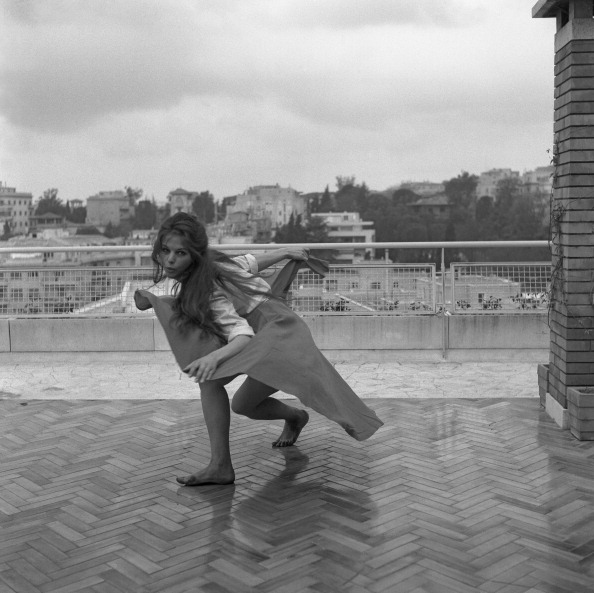
Soft, grainy black-and-white images, often paired with L’s letters whispered into voiceover, give the film its melancholic tone. Beneath the apparent calm, however, runs a current of anger. She often omits sound altogether which has the effect of amplifying the weight of reality.
Though recounting very specific events, A Night of Knowing Nothing feels universal. Civil disobedience, protest, and demands for change recur across time and place, almost always met with governmental violence. By welding together fiction and political reality, by rooting a love story in collective struggle, Kapadia has created a work that is both timely and timeless.